 Andorra
 Austria
 Belgium
 Bosnia and Herzegovina
 Bulgaria
 Cyprus
 Czech Republic
 Denmark
 Deutschland
 France
 Greece
 Hungary
 Ireland
 Iceland
 Israel
 Italy
Italy
 Latvia
 Luxembourg
 Malta
Malta
 Montenegro
 Netherlands
 Norway
 Poland
 Portugal
 Romania
 Serbia
 Slovakia
 Slovenia
 Spain
Spain
 Sweden
 Switzerland
 Turkey
 Ukraine
 United Kingdom
 Argentina
 Bolivia
 Brasil
 Canada
 Chile
Chile
 Colombia
 Costa Rica
 Cuba
Cuba
 República Dominicana
 Ecuador
 El Salvador
 French Guiana
 Guatemala
 Honduras
 México
 Nicaragua
 Panamá
 Paraguay
 Perú
Perú
 Uruguay
 United States
 Venezuela
 Azerbaijan
 China
China
 Hong Kong
 India
India
 Indonesia
 Iraq
Iraq
 Japan
Japan
 Jordan
 Kuwait
 Lebanon
 Malaysia
 Maurice
 Myanmar
 Oman
Oman
 Pakistan
 Philippines
 Qatar
Qatar
 Russia
 Saudi Arabia
 Singapore
 South Korea
 Syria
Syria
 Thailand
 United Arab Emirates
 Vietnam
 Algeria
 Angola
 Egypt
Egypt
 Ghana
Ghana
 Kenya
Kenya
 Libya
Libya
 Morocco
 Nigeria
 Sénégal
 South Africa
 Tanzania
 Tunisie
 Australia
 New Zealand

High-speed self-repairing doors
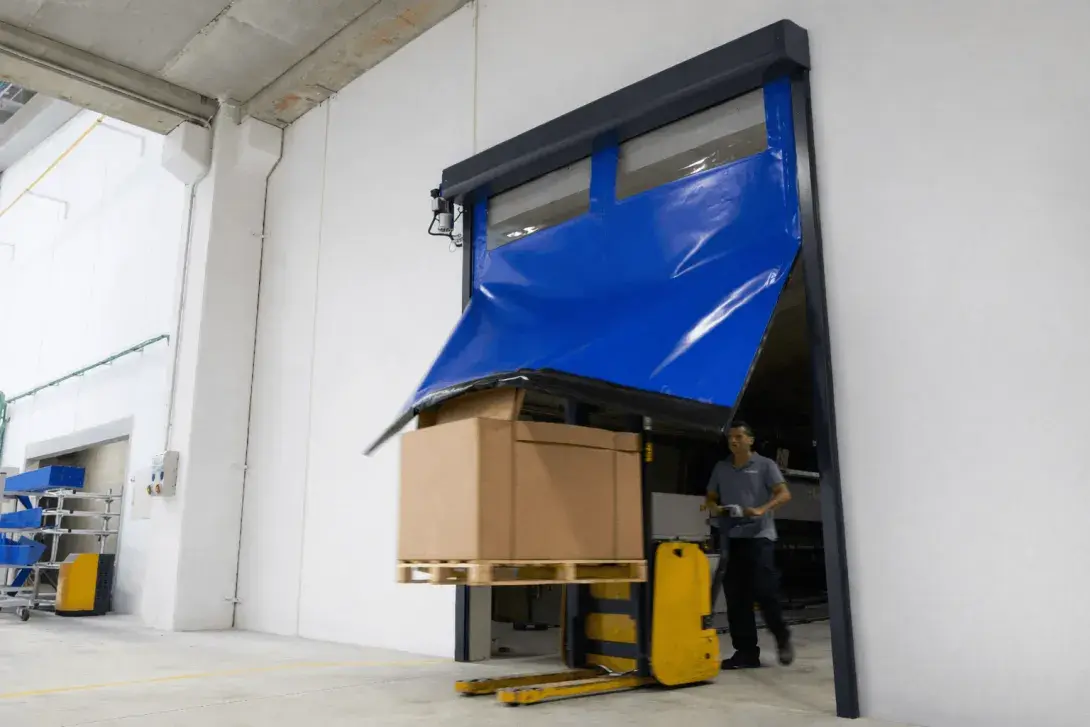
High-speed self-repairing doors are designed for demanding industrial environments. Their zipper system automatically repositions the curtain after an impact, reducing downtime and improving efficiency in high-traffic areas.
Types of high-speed self-repairing doors
Benefits of high-speed self-repairing doors

The fabric automatically repositions itself after impacts, preventing stoppages.

They reduce technical interventions and repairs following accidental impacts.

Perfect for areas with forklifts or rapid traffic.

Ideal for logistics environments where every stop results in a loss of efficiency.

Designed for intensive, repetitive industrial cycles.
Frequently asked questions about high-speed self-repairing doors
They are high-speed self-repairing doors that automatically realign their curtain in the event of an accidental impact. This reduces breakdowns and downtime, which is critical in industrial and logistics environments.
The fabric disengages without tearing and is reinserted into the guide on the next cycle thanks to the zipper system, without the need for immediate technical intervention.
Manusa high-speed self-repairing doors are an efficient solution for high-traffic areas that help to:
- Minimise maintenance costs
- Prevent interruptions to operations
- Increase safety in areas with forklifts
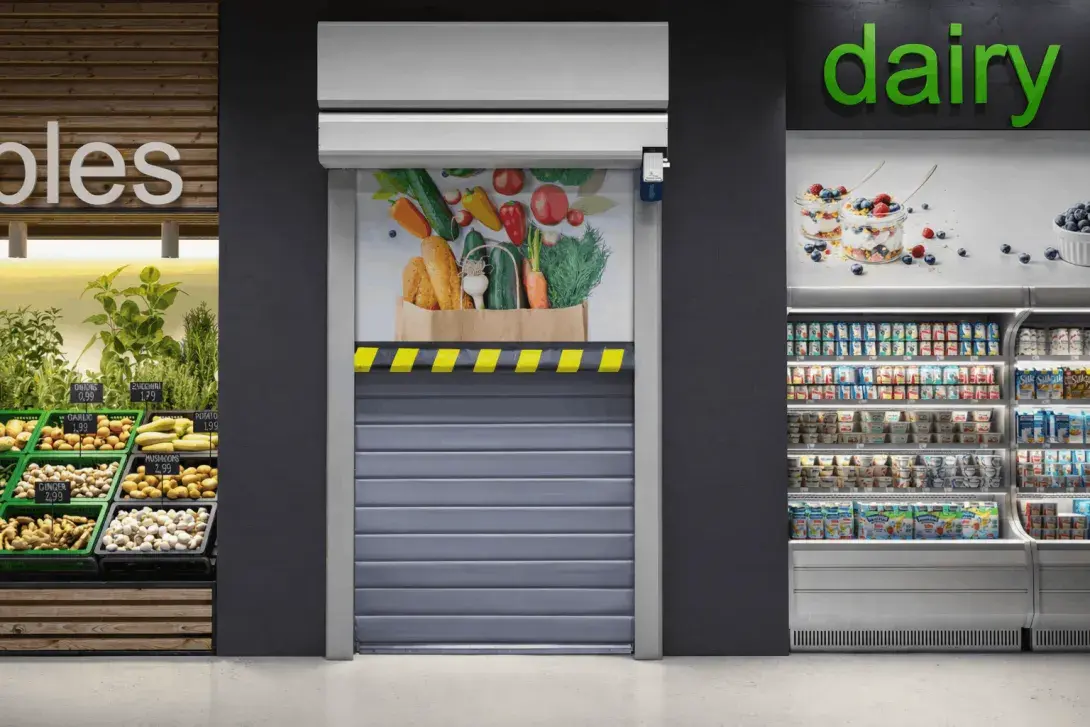
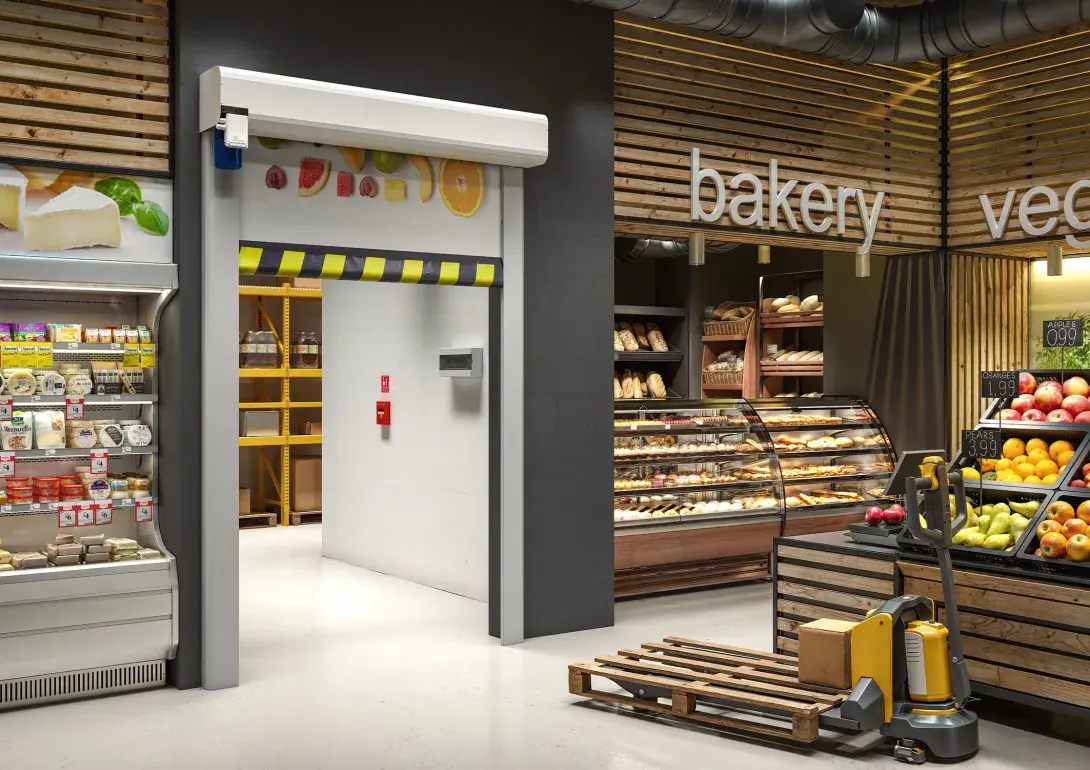
Self-repairing high-speed doors are designed for demanding environments such as logistics, industry, supermarkets, retail and areas with heavy machinery traffic. They withstand continuous cycles and absorb impacts without being damaged, guaranteeing efficiency and safety in spaces with high operational flow.